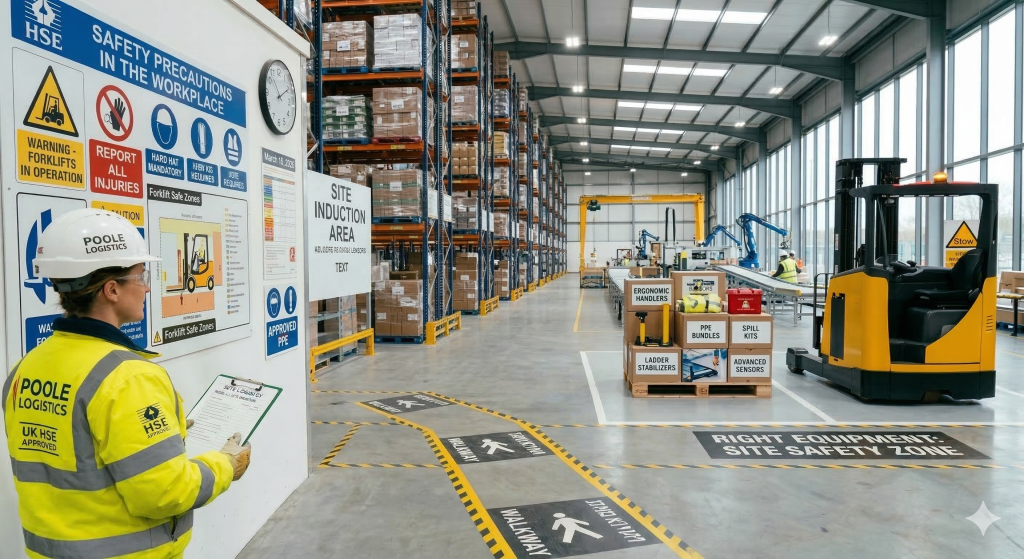

Warehouses are busy working environments where employees regularly handle goods, operate machinery and move stock throughout large storage areas. Because of the nature of the work, warehouse safety must be carefully managed to prevent accidents and injuries.
Ensuring the correct equipment is used, maintaining safe storage systems and providing appropriate training are all essential steps in protecting workers. When warehouse safety is prioritised, organisations can reduce risks while maintaining efficient operations.
Although accidents can still occur, many workplace incidents are preventable when proper procedures, equipment and training are in place.
Why Warehouse Safety Matters
Warehouses involve a wide range of activities that present potential hazards. These may include moving vehicles, manual handling, lifting equipment and heavy stock stored on shelving systems.
By focusing on safety and providing appropriate equipment, employers can reduce risks and support safer working environments.
Effective warehouse safety practices can help organisations:
- reduce workplace accidents and injuries
- improve staff awareness of hazards
- maintain organised working environments
- support safe storage and handling of goods
When employees understand safety procedures and have access to appropriate equipment, they are better able to carry out their work safely.
The Importance of Staff Training
Training is one of the most important elements of warehouse safety. Workers should receive appropriate instruction on how to use equipment safely and follow correct procedures when handling goods.
Warehouse training commonly covers topics such as:
- safe use of warehouse equipment
- manual handling techniques
- forklift truck awareness
- workplace hazard identification
Providing structured online health and safety training and eLearning courses allows organisations to ensure workers understand safety procedures before carrying out tasks.
Training helps employees recognise hazards and understand how to prevent accidents.
Using the Right Equipment
The equipment used in a warehouse plays a major role in maintaining safe working conditions. Workbenches, shelving, lifting equipment and storage systems must all be suitable for industrial environments.
Using equipment designed specifically for warehouse operations helps ensure it can handle heavy loads and regular use.
Examples of essential warehouse equipment include:
- industrial shelving systems
- pallet racking and storage units
- workbenches designed for heavy use
- lifting equipment and stock cages
Choosing appropriate equipment helps prevent accidents caused by unstable storage or overloaded shelving.
Safe Storage and Shelving Systems
Storage systems must be strong enough to safely support the weight of goods stored within them. Using inappropriate shelving or poorly installed storage systems can create significant hazards.
Industrial shelving and pallet racking systems are designed to support heavy loads and withstand daily warehouse activity. These systems help reduce the risk of items falling or storage units collapsing.
Clear storage procedures also help maintain organised warehouse environments and improve overall safety.
Signage and Workplace Awareness
Clear safety signage helps employees remain aware of hazards within warehouse environments. Warning signs can remind staff of important safety procedures and highlight risks such as spillages or restricted areas.
Good signage may include:
- warning notices for equipment use
- safety instructions for machinery
- hazard alerts for wet floors or spillages
- traffic management signs for vehicles and pedestrians
These visual reminders help reinforce safe behaviour in busy working environments.
Equipment Maintenance and Safety Checks
Regular maintenance and inspection of warehouse equipment are essential for preventing accidents. Equipment that is poorly maintained or damaged can present serious safety risks.
Routine safety checks help organisations identify problems early and take corrective action before incidents occur.
Maintenance procedures should include:
- scheduled equipment inspections
- reporting and repairing faults
- recording maintenance checks
- monitoring the condition of machinery and shelving
Keeping clear maintenance records helps ensure equipment remains safe and reliable.
Creating a Safer Warehouse Environment
Warehouse safety relies on a combination of the right equipment, clear procedures and effective training. Employers who invest in these areas can significantly reduce the likelihood of accidents and injuries.
Encouraging employees to report hazards and follow safe working practices also contributes to a stronger workplace safety culture.
By prioritising safety, warehouses can operate efficiently while protecting the wellbeing of employees.
The Role of Online Health and Safety Training
Many organisations now use online health and safety training and eLearning courses to help warehouse workers understand workplace hazards and safe procedures.
Online training allows employees to complete safety courses at convenient times while ensuring consistent safety information is delivered across teams.
Digital learning platforms also allow organisations to track training progress and maintain clear training records.
Providing accessible safety training helps reinforce safe working practices and supports long-term workplace safety management.
Frequently Asked Questions
Why is warehouse safety important?
Warehouses contain machinery, vehicles and heavy stock, which can create potential hazards if safety procedures are not followed.
What equipment is important for warehouse safety?
Industrial shelving, pallet racking, lifting equipment and safe workstations help maintain safe warehouse environments.
How can warehouse accidents be reduced?
Providing proper training, using suitable equipment and maintaining organised workspaces can help reduce accidents.
Can warehouse safety training be delivered online?
Yes. Many organisations use online health and safety training platforms to deliver warehouse safety courses.