
In 2012 the UK faced the possibility of a major fuel supply disruption when tanker drivers threatened to strike over concerns relating to health and safety standards, working conditions and employment terms. At the time the dispute raised fears of fuel shortages across the country and prompted widespread media attention.
The proposed strike action involved tanker drivers represented by the Unite union and several major fuel distribution companies responsible for delivering fuel to petrol stations across the UK. With the Easter holiday approaching—a period when fuel demand traditionally increases—there were growing concerns that a strike could significantly disrupt fuel supplies.
Looking back more than a decade later, the situation highlights how closely workplace safety, employment conditions and national infrastructure can be connected.
The Background to the 2012 Tanker Drivers Dispute
In early 2012 members of the Unite union voted in favour of potential strike action following concerns over proposed changes to working conditions and perceived reductions in health and safety standards within the fuel distribution sector.
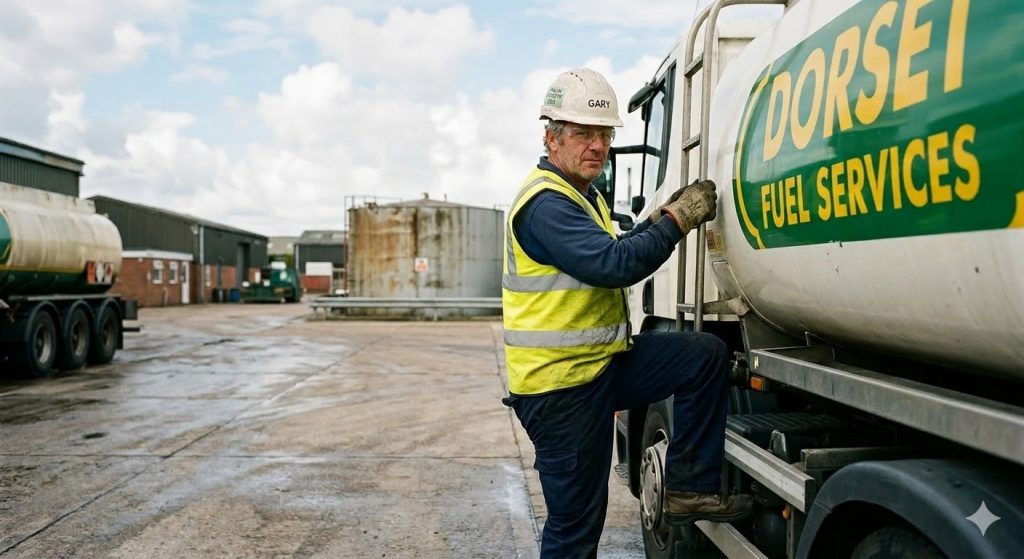
Drivers argued that certain changes could increase risks associated with transporting and delivering fuel. Tanker drivers operate specialised vehicles and regularly work with hazardous materials, making strict safety procedures essential.
The dispute involved several major fuel companies responsible for distributing a significant proportion of fuel supplied to petrol stations across the UK. At the time it was estimated that the companies involved were responsible for more than 80 percent of the fuel sold on forecourts nationwide.
Because tanker drivers play a critical role in the fuel supply chain, any disruption had the potential to affect petrol stations, businesses and motorists across the country.
Attempts to Prevent Strike Action
In response to the growing concerns, ACAS (the Advisory, Conciliation and Arbitration Service) invited union leaders and representatives from the fuel companies to participate in talks aimed at resolving the dispute.
ACAS often acts as an independent body to help mediate industrial disputes before they escalate into strike action. However, at the time of the initial announcement neither side had agreed to enter negotiations immediately, raising concerns that the dispute could continue to escalate.
Government officials and opposition politicians also became involved in discussions surrounding the situation, with public statements highlighting the potential risks of disruption to fuel supplies.
Public Reaction and Concerns Over Fuel Shortages
One of the most significant developments during the dispute was the public reaction to the possibility of a strike. News coverage and political commentary led to concerns about fuel shortages, which in turn prompted some motorists to consider stockpiling fuel.
Officials warned that panic buying could create shortages even before any strike action occurred. Motoring organisations pointed out that if large numbers of drivers filled their vehicles earlier than usual, petrol stations could run out of fuel quickly.
According to figures from the AA at the time, most drivers typically filled their vehicles once every two weeks. If motorists began refuelling much more frequently in the days leading up to a potential strike, supply chains could struggle to keep up with demand.
Government Contingency Planning
As the dispute continued to develop, government officials began discussing possible contingency measures in case strike action went ahead.
One option that was publicly mentioned involved using military personnel to assist with fuel deliveries. While this measure was intended as a contingency plan, it highlighted the seriousness of the situation and the importance of fuel distribution infrastructure to the national economy.
Ultimately the situation raised important questions about the resilience of supply chains and how industrial disputes in critical sectors can affect everyday life.
Health and Safety in Fuel Distribution
The dispute also brought attention to the complex safety requirements involved in transporting fuel. Tanker drivers handle flammable materials and must follow strict safety protocols during loading, transport and delivery.
Health and safety considerations in the fuel distribution industry include:
- safe handling of hazardous materials
- vehicle safety and maintenance
- driver training and competence
- strict operational procedures
Because of the potential risks involved, maintaining clear safety standards and effective training is essential for workers in the sector.
Lessons from the 2012 Fuel Strike Threat
Looking back, the 2012 tanker drivers dispute demonstrated how industrial relations, safety concerns and national infrastructure can intersect.
It also highlighted the importance of effective communication between employers, workers and government bodies when addressing safety concerns in critical industries.
Ensuring that workers receive appropriate safety training and that safety standards are maintained remains an essential part of managing risks in sectors such as logistics, fuel distribution and transportation.
The Importance of Workplace Safety Training
Disputes relating to health and safety often emphasise the importance of clear procedures, proper training and ongoing risk management.
Organisations across many industries now rely on online health and safety training and eLearning courses to help employees understand safety procedures and maintain consistent standards.
Online training makes it easier for organisations to deliver structured learning, reinforce safety awareness and maintain clear training records across teams.
Providing effective safety training helps organisations support safe working environments while reducing the likelihood of workplace incidents.
Frequently Asked Questions
When did the tanker drivers strike threat occur?
The dispute took place in 2012 when tanker drivers considered strike action over health and safety concerns and working conditions.
Why were tanker drivers considering strike action?
Drivers raised concerns about employment conditions and potential impacts on safety standards within the fuel distribution industry.
Could the strike have affected fuel supplies?
Yes. Because tanker drivers deliver fuel to petrol stations, strike action had the potential to disrupt fuel availability across the UK.
Why is safety training important in high-risk industries?
Training helps workers understand hazards and follow safe procedures, reducing the risk of accidents and incidents.